
IKEA finally opened in New Zealand. Sylvia Park, Auckland. After years of Kiwis making do with
parallel importers and trips across the Tasman, we’ve got our own store.
I went along a few weeks back. Partly curiosity, partly because we actually needed a few things.
And somewhere between the showrooms and the warehouse section, I realised I’d stopped shopping and started taking mental notes.
Occupational hazard, I suppose.
The Bed Ad That Stopped Me
There’s a sign near the mattresses. Big, impossible to miss. It says you can take a mattress home, sleep on it for up to 365 days, and if you don’t love it, bring it back.
A year. To try a mattress.
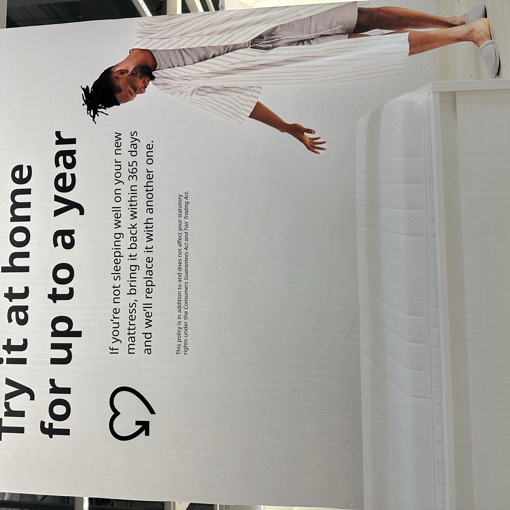
I stood there for a minute thinking about that. Most retailers give you what, 30 days? Maybe 90 if they’re feeling generous? IKEA is essentially saying: live with it. Through winter, through summer. If it’s not right after all that, we’ll sort it out.
That’s not a return policy. That’s a statement of confidence.
But here’s the thing that really caught me. I went looking for the fine print on their general returns, expecting the mattress deal to be the exception. It wasn’t.
Turns out you can return almost anything within 365 days — even if you’ve assembled it. Bought a bookshelf, put it together, lived with it for six months, decided it doesn’t work in your space?
Full refund.
The only exclusions are items that are dirty, damaged, or modified. Everything else is fair game.
I don’t know why they don’t shout about this more. The mattress policy is plastered everywhere, but the general furniture guarantee is just as remarkable. Maybe they figure people will discover it when they need it. Or maybe they understand that the mattress — the thing you’re most nervous about getting wrong — is where the message matters most.
Rooms That Sell Themselves
You know the IKEA layout. You’ve probably seen photos even if you’ve never been. The winding path through room after room, each one styled like someone actually lives there.
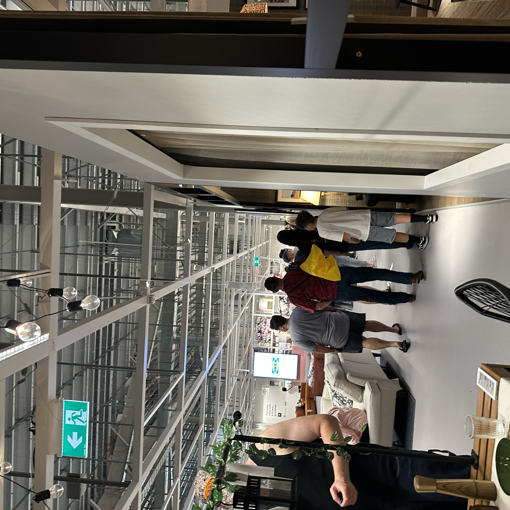
What struck me wasn’t the cleverness of the layout — everyone knows that’s designed to keep you in the store longer. It was how little selling was happening.
No one approaches you. There are no product demonstrations, no sales pitches. Just… rooms. A living room that looks like yours could look. A bedroom that makes you think maybe you should finally sort out that spare room situation.
The products aren’t being explained. They’re being shown in context, and you’re left to draw your own conclusions.
I watched people photographing setups on their phones. Taking measurements. Sitting on sofas and looking around like they were imagining the rest of their house around them. The room was doing the work.
There’s something in that. The confidence to show rather than tell. To trust that if you put your product in the right context, people will see the value without you having to spell it out.
Build Your Room Before You Buy It
Tucked away near the bedroom section, there’s a planning station with a screen where you can design your own room. Drag in a bed, add bedside tables, throw in a chest of drawers — and watch the total update in real time.
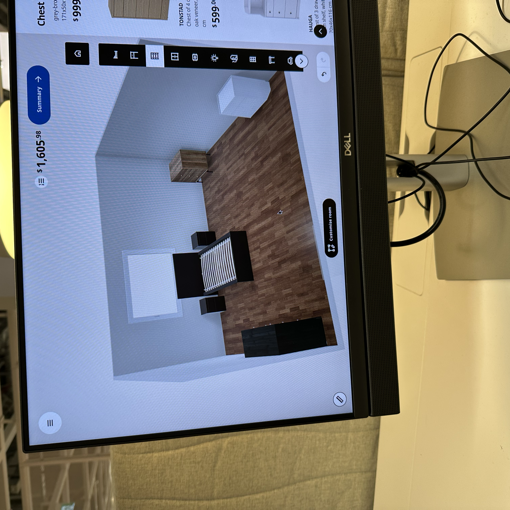
I stood there playing with it for longer than I’d care to admit. $1,605.98 for a full bedroom setup, and I could see exactly how it would look before spending a cent.
It’s not just about visualisation, though. It’s about answering the question every furniture buyer secretly worries about: will this actually fit? Will the drawers open properly? Is there room to walk around the bed?
Most furniture shopping involves a lot of hoping. You measure your room, measure the product, try to do the maths in your head, and cross your fingers. IKEA just removes that whole layer of uncertainty. Build the room on screen, see if it works, adjust if it doesn’t.
No guesswork. No tape measure anxiety. Just clarity.
The App in Your Hand
While I was wandering around, I noticed people scanning products with their phones. IKEA has an app that lets you pull up reviews, stock levels, dimensions — all the stuff you’d normally have to find a staff member to ask about.
The reviews aren’t just from New Zealand. You’re seeing what people in Australia thought, what someone in Sweden said, what a family in Japan experienced. Global social proof, available at the moment you’re standing in front of the product wondering whether it’s any good.
It’s a small thing, but it changes the dynamic. The information you need to make a decision is right there in your pocket. No hunting, no waiting, no wondering if the salesperson is just trying to hit their numbers.
IKEA has essentially armed you with the tools to sell yourself.
What Sits With Me
I’ve spent 23 years helping businesses figure out how to communicate what makes them worth choosing. Messaging, positioning, the words that make someone lean in rather than scroll past.
Walking through IKEA, I kept coming back to the same thought: they’ve built their entire experience around removing reasons to hesitate.
Worried you’ll regret the purchase? Take a year to decide.
Not sure how it’ll look in your home? Here’s a room that shows you.
Don’t trust what the company says about quality? Here’s what thousands of other customers think.
Every anxiety a furniture buyer might have, addressed before they even articulate it.
That’s what strong messaging does. Not louder claims or cleverer taglines — just a clear understanding of what’s stopping someone from saying yes, and a genuine answer to it.
IKEA figured that out. It’s baked into the store, the policy, the app, everything.
I left with a lamp and a few storage boxes. But mostly I left thinking about how much work they’ve done to make the decision easy — and how invisible they’ve made that work feel.
Is Your Messaging Doing the Work?
Most businesses know what they offer. Fewer have figured out how to say it in a way that removes hesitation instead of creating it.
If you’re wondering whether your messaging is working as hard as it could be, we offer a messaging audit that takes a fresh look at what you’re putting out there — your website, your ads, your emails — and identifies where the friction might be hiding.
The audit is one piece of our wider work on brand messaging and differentiation, which is where most of our clients start.
Get in touch if you’d like to chat about it. Call 0800 893 477 or use the form below.